As a supplier of CAS 127-08-2, which is Sodium acetate trihydrate, I often encounter inquiries from customers seeking alternatives to this chemical. Sodium acetate trihydrate has a wide range of applications, including in food preservation, heat packs, and as a buffer in chemical reactions. However, there are situations where customers may need substitutes due to factors such as cost, availability, or specific application requirements. In this blog post, I will explore some of the alternatives to CAS 127-08-2.
1. Potassium Acetate (CAS 127 - 08 - 2 Similarities and Differences)
Potassium acetate (CAS 127 - 08 - 2) shares many similarities with sodium acetate trihydrate. Both are salts of acetic acid and have similar chemical properties. Potassium acetate is also a white crystalline solid that is highly soluble in water.
In terms of applications, potassium acetate can be used as a substitute in many of the same areas as sodium acetate trihydrate. For example, it can be used as a food additive for preservation and flavor enhancement. In the pharmaceutical industry, it can serve as a buffer in certain formulations.
One of the key differences between potassium acetate and sodium acetate trihydrate is the presence of potassium instead of sodium. This can be an important consideration for applications where sodium intake needs to be restricted, such as in some medical or dietary products. Additionally, potassium acetate has a different solubility profile and may have different effects on the physical properties of solutions compared to sodium acetate trihydrate.
2. Calcium Acetate
Calcium acetate (CAS 62 - 54 - 4) is another alternative to sodium acetate trihydrate. It is a white, odorless powder that is sparingly soluble in cold water and more soluble in hot water.
In the food industry, calcium acetate can be used as a calcium supplement and a firming agent. It is also used in the treatment of hyperphosphatemia in patients with kidney disease, where it binds to phosphate in the gut to reduce its absorption.
Compared to sodium acetate trihydrate, calcium acetate has a different chemical composition and reactivity. It can form different complexes with other substances and may have different effects on the pH and stability of solutions. For example, in chemical reactions where sodium acetate trihydrate is used as a buffer, calcium acetate may not provide the same buffering capacity due to its different dissociation behavior.
3. Organic Compounds as Alternatives
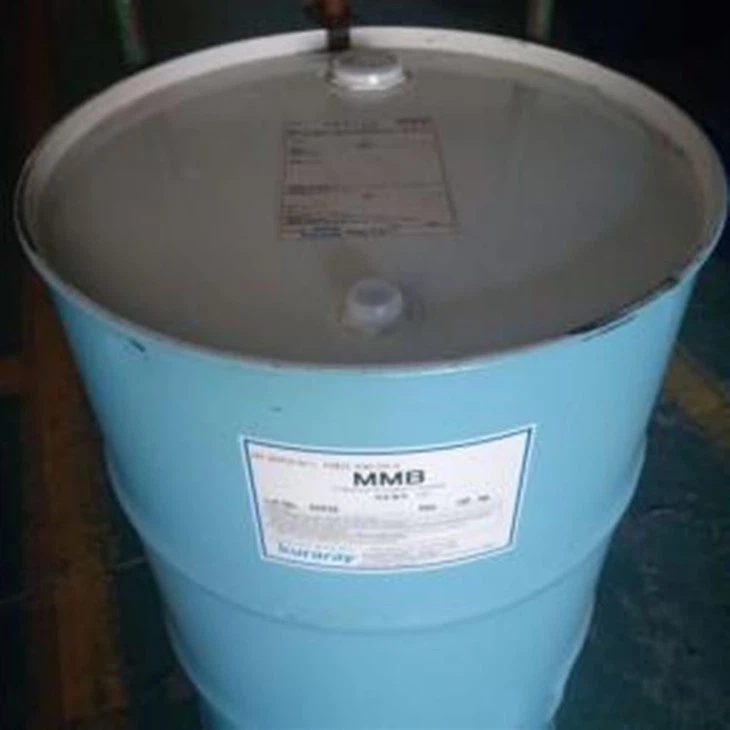
3 - Methoxy - 3 - methyl - 1 - butanol (MMB)
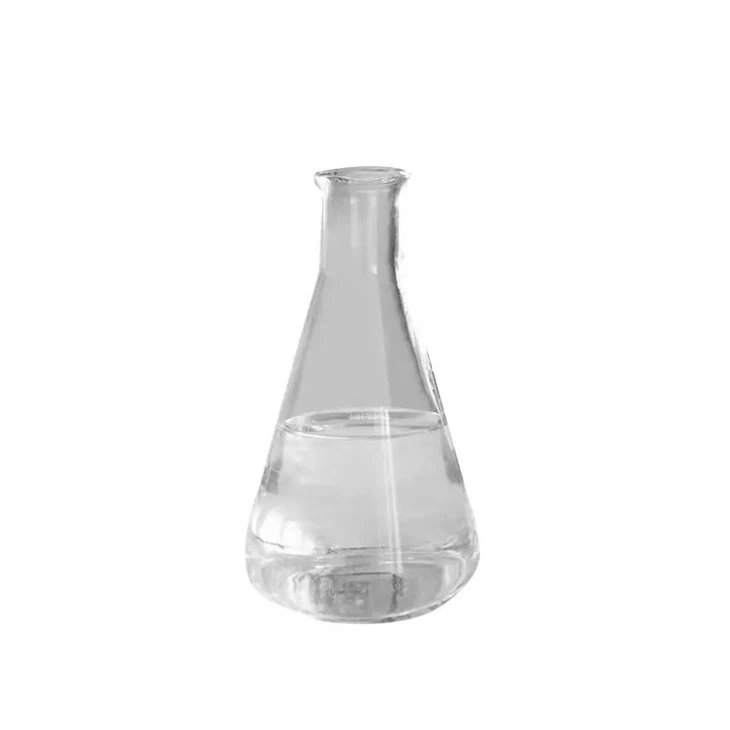
3 - Methoxy - 3 - methyl - 1 - butanol 3 - Methyl - 3 - methoxybutanol MMB CAS 56539 - 66 - 3 is an organic compound that can be considered as an alternative in certain applications. MMB is a colorless liquid with a mild odor.
It is commonly used as a solvent in the paint, coating, and printing ink industries. In some cases, where sodium acetate trihydrate is used as a solubilizing agent or a component in a formulation to adjust viscosity, MMB may be a suitable alternative. However, it is important to note that MMB has different chemical and physical properties compared to sodium acetate trihydrate. It is an organic solvent, while sodium acetate trihydrate is an inorganic salt. Therefore, its compatibility with other components in a formulation needs to be carefully evaluated.
Butyltriphenylphosphonium Bromide
Butyltriphenylphosphonium Bromide CAS 1779 - 51 - 7 is a quaternary phosphonium salt. It is used in organic synthesis as a phase - transfer catalyst and in some electrochemical applications.
Although it has a very different chemical structure from sodium acetate trihydrate, in certain specialized chemical processes where sodium acetate trihydrate is used as a catalyst or a reaction medium, butyltriphenylphosphonium bromide may offer an alternative approach. Its unique properties, such as its ability to transfer ions between phases, can enable different reaction mechanisms to occur.
4,4' - (Hexafluoroisopropylidene)diphthalic Anhydride (6FDA)
4,4' - (Hexafluoroisopropylidene)diphthalic Anhydride 6FDA CAS 1107 - 00 - 2 is a fluorinated organic compound. It is mainly used in the production of high - performance polymers, such as polyimides.
In some advanced materials applications, where sodium acetate trihydrate may be used as a processing aid or a modifier, 6FDA can be an alternative. The fluorine atoms in 6FDA give it unique properties, such as high thermal stability and chemical resistance, which are not found in sodium acetate trihydrate. However, the use of 6FDA requires specialized knowledge and equipment due to its high reactivity and potential toxicity.
4. Considerations When Choosing an Alternative
When considering alternatives to CAS 127 - 08 - 2, several factors need to be taken into account:
Performance
The alternative should be able to perform the same function as sodium acetate trihydrate in the specific application. For example, if it is used as a buffer in a chemical reaction, the alternative should have a similar buffering capacity and pH range.
Compatibility
The alternative should be compatible with other components in the formulation. Incompatible substances can lead to precipitation, phase separation, or chemical reactions that may affect the quality and performance of the final product.
Cost
Cost is an important factor in many applications. Some alternatives may be more expensive than sodium acetate trihydrate, which can impact the overall production cost. However, in some cases, the benefits of using an alternative may outweigh the higher cost.
Regulatory Compliance
The alternative must comply with relevant regulations in the target application. For example, in the food and pharmaceutical industries, strict regulations govern the use of additives and ingredients.
Conclusion
In conclusion, there are several alternatives to CAS 127 - 08 - 2, each with its own unique properties and applications. Whether it is an inorganic salt like potassium acetate or calcium acetate, or an organic compound like MMB, butyltriphenylphosphonium bromide, or 6FDA, the choice of alternative depends on the specific requirements of the application.
As a supplier of CAS 127 - 08 - 2, I am committed to providing our customers with comprehensive information and support to help them make the best choice. If you are interested in exploring alternatives to CAS 127 - 08 - 2 for your specific application, please feel free to contact us for further discussion and potential procurement opportunities. We are here to assist you in finding the most suitable solution for your needs.
References
- "Handbook of Chemistry and Physics", CRC Press.
- "Encyclopedia of Chemical Technology", John Wiley & Sons.
- Various research articles from peer - reviewed scientific journals on the applications of acetate salts and organic compounds.