

CAS 127-08-2 refers to Sodium acetate anhydrous. As a reliable supplier of CAS 127-08-2, I am excited to delve into the diverse applications of this chemical compound in the construction industry. In this blog post, I will explore the unique properties of sodium acetate anhydrous and how they contribute to various construction processes.
Properties of Sodium Acetate Anhydrous (CAS 127-08-2)
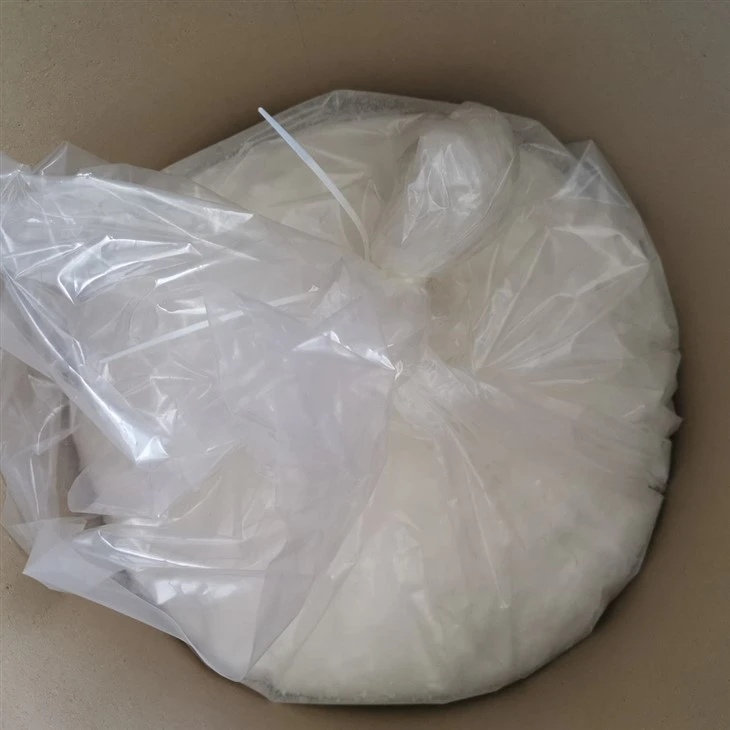
Sodium acetate anhydrous is a white, hygroscopic powder with the chemical formula C₂H₃NaO₂. It is soluble in water and has a relatively high melting point of 324°C. This compound is known for its ability to absorb moisture from the air, which makes it useful in many applications where controlling humidity is crucial. Additionally, sodium acetate anhydrous is a mild base, which can react with acids to form salts and water.
Applications in Construction
Concrete Additive
One of the most significant applications of sodium acetate anhydrous in the construction industry is as a concrete additive. When added to concrete mixtures, sodium acetate anhydrous can act as a set accelerator. It speeds up the hydration process of cement, which is the chemical reaction that causes concrete to harden. This is particularly useful in cold weather conditions, where the normal setting time of concrete can be significantly delayed. By accelerating the setting time, construction projects can proceed on schedule, even in adverse weather.

Moreover, sodium acetate anhydrous can improve the early strength development of concrete. This means that the concrete can withstand loads earlier, allowing for faster construction progress. It also enhances the durability of concrete by reducing the porosity and increasing the density of the concrete matrix. This results in a more resistant structure that is less prone to cracking and damage from environmental factors.
Dust Suppressant
In construction sites, dust generation is a common problem that can pose health risks to workers and nearby residents. Sodium acetate anhydrous can be used as a dust suppressant. When sprayed on unpaved roads and construction areas, it forms a thin, sticky layer on the surface. This layer traps dust particles, preventing them from becoming airborne. Unlike some other dust suppressants, sodium acetate anhydrous is environmentally friendly and biodegradable. It does not leave harmful residues and can be safely used in areas where environmental regulations are strict.
Deicing Agent
During winter, roads and construction sites need to be kept free of ice and snow to ensure safety. Sodium acetate anhydrous can be used as an alternative to traditional deicing agents such as rock salt. It has several advantages over rock salt. Firstly, it is less corrosive to metals, which means it causes less damage to vehicles, bridges, and other infrastructure. Secondly, it can work at lower temperatures than rock salt, making it more effective in extremely cold conditions. Sodium acetate anhydrous lowers the freezing point of water, causing ice to melt and preventing new ice from forming.
Humidity Control in Building Materials
Many building materials, such as wood, drywall, and insulation, are sensitive to humidity. High humidity can cause these materials to warp, rot, or develop mold. Sodium acetate anhydrous can be used in the manufacturing process of these materials or as a component in humidity control systems. In building envelopes, it can be incorporated into wall panels or coatings to absorb excess moisture. This helps to maintain a stable indoor environment and protects the integrity of the building materials.
Our Supply Advantage
As a supplier of CAS 127-08-2, we take pride in offering high - quality sodium acetate anhydrous. Our product is produced using advanced manufacturing processes, ensuring consistent quality and purity. We have a large production capacity, which allows us to meet the demands of both small - scale and large - scale construction projects.
We also provide excellent customer service. Our team of experts is available to offer technical support and advice on the proper use of sodium acetate anhydrous in construction applications. Whether you are a contractor, a builder, or a material manufacturer, we can help you find the best solution for your specific needs.
Related Products
In addition to CAS 127-08-2, we also supply other high - quality chemical products that are relevant to the construction industry. For example, we offer Factory Supply Succinimide CAS 123-56-8, which has various applications in organic synthesis and can be used in the production of some specialty construction materials. Another product is Photoinitiator 819/Irgacure 819/Omnirad 819 CAS 162881-26-7, which is used in the curing process of some polymer - based construction materials. And 2,2'-Dimorpholinodiethylether DMDEE CAS 6425-39-4 is a catalyst that can be used in the production of polyurethane foams for insulation in buildings.
Contact Us for Procurement
If you are interested in purchasing CAS 127-08-2 or any of our other products for your construction projects, we invite you to contact us. Our dedicated sales team is ready to assist you with product information, pricing, and delivery options. We are committed to providing you with the best products and services to ensure the success of your construction endeavors.
References
- "Concrete Admixtures Handbook: Properties, Science, and Technology" by V.S. Ramachandran.
- "Environmental Aspects of Construction Materials" edited by Marios Soutsos and Peter Walker.
- "Ice and Snow Control Technology" by the American Public Works Association.


