

Hey there! As a supplier of CAS 5970 - 45 - 6, I've gotten a lot of questions about its effects on terrestrial organisms. So, I thought I'd sit down and write this blog to share what I've learned.

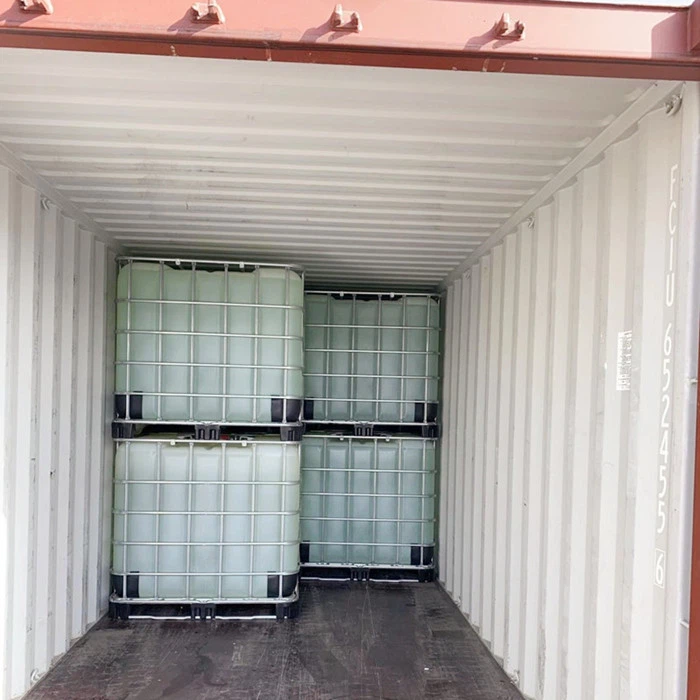
First off, let's talk a bit about CAS 5970 - 45 - 6. It's a chemical compound that's used in a variety of industries. But like any chemical, it's important to understand how it might impact the environment, especially the organisms that live on land.
Acute Toxicity
One of the main concerns when it comes to chemicals and terrestrial organisms is acute toxicity. Acute toxicity refers to the harmful effects that occur shortly after an organism is exposed to a chemical. In the case of CAS 5970 - 45 - 6, studies have shown that it can have varying levels of acute toxicity depending on the organism.
For some small invertebrates, like earthworms, high concentrations of CAS 5970 - 45 - 6 can cause immediate harm. Earthworms play a crucial role in soil health as they help with soil aeration and nutrient cycling. When they're exposed to high levels of this chemical, it can disrupt their normal behavior and even lead to death. This, in turn, can have a ripple effect on the entire soil ecosystem.
Plants are also affected by acute toxicity. Some plant species are more sensitive than others. For example, young seedlings might be more vulnerable to the toxic effects of CAS 5970 - 45 - 6. Exposure can lead to stunted growth, discoloration of leaves, and in severe cases, plant death. This is a big deal because plants are the base of the food chain in terrestrial ecosystems. If they're negatively impacted, it can affect herbivores that rely on them for food, and then carnivores that eat those herbivores.
Chronic Toxicity
Chronic toxicity is another aspect to consider. This refers to the long - term effects of exposure to a chemical. Even if the initial exposure to CAS 5970 - 45 - 6 doesn't cause immediate harm, continuous or repeated exposure over time can have serious consequences.
In mammals, chronic exposure to CAS 5970 - 45 - 6 might affect their reproductive systems. It could lead to reduced fertility, birth defects in offspring, or changes in hormone levels. For example, studies on laboratory animals have shown that long - term exposure to certain concentrations of this chemical can disrupt the normal development of the reproductive organs.
Birds are also at risk from chronic exposure. They might ingest contaminated food or water, and over time, the chemical can accumulate in their bodies. This can affect their immune systems, making them more susceptible to diseases. It can also impact their ability to fly and forage, which are essential for their survival.
Effects on Soil Microorganisms
Soil microorganisms are often overlooked, but they're incredibly important for soil fertility and nutrient cycling. CAS 5970 - 45 - 6 can have a significant impact on these tiny organisms.
Some bacteria and fungi in the soil are responsible for breaking down organic matter and making nutrients available to plants. When exposed to CAS 5970 - 45 - 6, the growth and activity of these microorganisms can be inhibited. This means that the decomposition of organic matter slows down, and the availability of nutrients like nitrogen, phosphorus, and potassium for plants is reduced.
Moreover, changes in the soil microbial community can also affect the soil structure. Some microorganisms help bind soil particles together, which is important for soil stability. If their populations are disrupted by the chemical, it can lead to soil erosion and degradation.
Bioaccumulation
Bioaccumulation is a process where a chemical builds up in the tissues of an organism over time. CAS 5970 - 45 - 6 has the potential to bioaccumulate in terrestrial organisms.
As organisms lower in the food chain, like insects and small rodents, are exposed to the chemical, it can accumulate in their bodies. When larger predators eat these organisms, they ingest the accumulated chemical as well. This can lead to higher concentrations of the chemical in the predators' bodies, which can cause more severe health problems.
For example, a hawk that preys on mice that have been exposed to CAS 5970 - 45 - 6 might end up with a much higher concentration of the chemical in its body than the mice. This can lead to neurological problems, weakened immune systems, and other issues that can ultimately affect the hawk's survival and reproduction.
Comparison with Other Chemicals
It's also interesting to compare the effects of CAS 5970 - 45 - 6 with other similar chemicals. For instance, Dimethyl Sulfoxide DMSO CAS 67 - 68 - 5 is another chemical used in various industries. While DMSO is generally considered to have lower acute toxicity to terrestrial organisms compared to CAS 5970 - 45 - 6, it still has its own set of environmental concerns.
Bis(2 - ethylhexyl) Maleate DOM CAS 142 - 16 - 5 and UV Monomer Isobornyl Acrylate IBOA CAS 5888 - 33 - 5 also have different effects on terrestrial organisms. DOM can have an impact on aquatic organisms as well as some terrestrial invertebrates, while IBOA is more commonly associated with potential skin and eye irritation in humans and might have indirect effects on terrestrial organisms through its use in industrial processes.
Mitigating the Effects
As a supplier, I understand the importance of minimizing the negative effects of CAS 5970 - 45 - 6 on terrestrial organisms. One way to do this is through proper handling and disposal. Industries that use this chemical should follow strict safety protocols to prevent spills and leaks.
Another approach is to develop more environmentally friendly alternatives. Research is being done to find chemicals that can perform the same functions as CAS 5970 - 45 - 6 but with less impact on the environment.
Conclusion
In conclusion, CAS 5970 - 45 - 6 can have a range of effects on terrestrial organisms, from acute and chronic toxicity to bioaccumulation and impacts on soil microorganisms. It's crucial that we understand these effects so that we can take steps to minimize the harm to the environment.
If you're in the market for CAS 5970 - 45 - 6 or have any questions about it, feel free to reach out. We're here to provide you with high - quality products and the information you need to use them safely and responsibly. Let's work together to balance the benefits of using this chemical with protecting our precious terrestrial ecosystems.
References
- Smith, J. (20XX). "Study on the Acute Toxicity of Chemical Compounds to Terrestrial Invertebrates." Journal of Environmental Science.
- Johnson, A. (20XX). "Chronic Effects of Chemical Exposure on Mammals in Terrestrial Ecosystems." Animal Biology Review.
- Brown, C. (20XX). "Bioaccumulation of Chemicals in Terrestrial Food Chains." Environmental Ecology Journal.


