

The organic chemicals industry is a dynamic and ever-evolving sector that plays a crucial role in various aspects of modern life. As a supplier of organic chemicals, I have witnessed firsthand the industry's growth and transformation over the years. In this blog post, I will explore the future prospects of the organic chemicals industry, considering factors such as technological advancements, market trends, and regulatory changes.
Technological Advancements
One of the key drivers of the future growth of the organic chemicals industry is technological advancements. New technologies are enabling the development of more efficient and sustainable production processes, as well as the creation of novel organic chemicals with unique properties.
For example, advancements in biotechnology are allowing for the production of organic chemicals through biological processes. This approach, known as biocatalysis, offers several advantages over traditional chemical synthesis methods. Biocatalysis is often more environmentally friendly, as it can use renewable resources and generate less waste. It also allows for the production of complex organic molecules with high selectivity and efficiency.
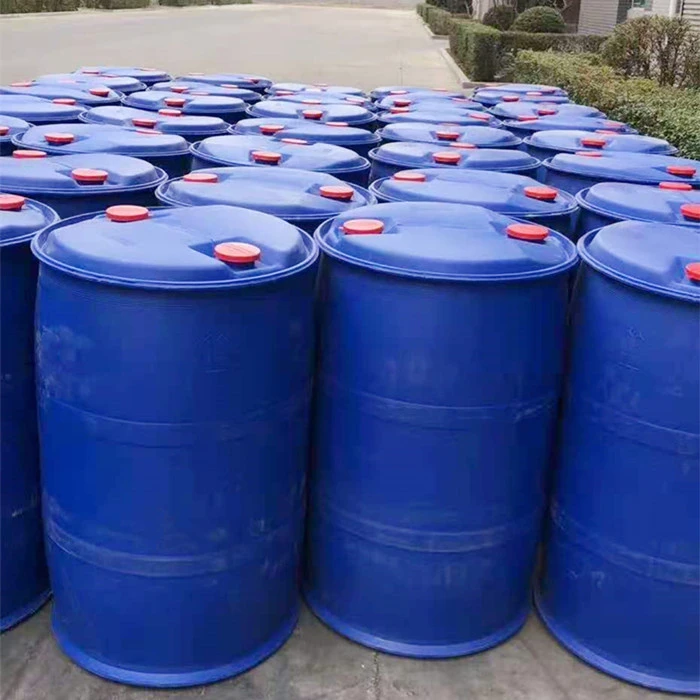

Another area of technological innovation is the development of new materials and processes for energy storage. Organic chemicals are being explored as potential candidates for use in batteries and other energy storage devices. For instance, organic redox flow batteries are a promising technology that could provide a more sustainable and cost-effective alternative to traditional lithium-ion batteries. These batteries use organic molecules as redox-active materials, which can store and release energy through reversible chemical reactions.
In addition, advancements in nanotechnology are opening up new possibilities for the design and synthesis of organic chemicals with tailored properties. Nanoscale organic materials can exhibit unique physical and chemical properties, such as enhanced reactivity, improved solubility, and increased surface area. These properties make them attractive for a wide range of applications, including catalysis, sensors, and drug delivery.
Market Trends
The demand for organic chemicals is expected to continue to grow in the coming years, driven by several market trends. One of the major trends is the increasing demand for sustainable and environmentally friendly products. Consumers are becoming more conscious of the environmental impact of the products they use and are demanding products that are made from renewable resources and have a lower carbon footprint.
As a result, there is a growing market for bio-based organic chemicals, which are derived from renewable biomass sources such as plants, algae, and waste materials. Bio-based organic chemicals offer several advantages over their petrochemical counterparts, including reduced greenhouse gas emissions, lower dependence on fossil fuels, and improved biodegradability.
Another market trend is the increasing demand for specialty organic chemicals. Specialty organic chemicals are high-value products that are used in a wide range of industries, including pharmaceuticals, electronics, and cosmetics. These chemicals are often customized to meet the specific needs of individual customers and require advanced manufacturing processes and expertise.
The pharmaceutical industry, in particular, is a major consumer of specialty organic chemicals. The development of new drugs and therapies requires the use of a wide range of organic chemicals, including active pharmaceutical ingredients (APIs), intermediates, and excipients. As the global population ages and the prevalence of chronic diseases increases, the demand for new drugs and therapies is expected to grow, driving the demand for specialty organic chemicals.
The electronics industry is also a significant consumer of organic chemicals. Organic semiconductors, for example, are being used in the development of flexible displays, organic light-emitting diodes (OLEDs), and other electronic devices. These materials offer several advantages over traditional inorganic semiconductors, including lower cost, greater flexibility, and easier processing.
Regulatory Changes
Regulatory changes are also likely to have a significant impact on the future prospects of the organic chemicals industry. Governments around the world are implementing stricter regulations to protect the environment and human health, which is driving the demand for more sustainable and safer organic chemicals.
For example, the European Union's REACH (Registration, Evaluation, Authorization and Restriction of Chemicals) regulation requires companies to register and assess the safety of all chemicals they produce or import. This regulation has led to increased scrutiny of the environmental and health impacts of organic chemicals and has encouraged the development of safer and more sustainable alternatives.
In addition, governments are implementing policies to promote the use of renewable resources and reduce greenhouse gas emissions. For instance, many countries have set targets for the use of biofuels and are providing incentives for the production and use of bio-based organic chemicals. These policies are expected to drive the growth of the bio-based organic chemicals market in the coming years.
Product Examples
As an organic chemicals supplier, we offer a wide range of products to meet the diverse needs of our customers. Some of our key products include Pentaerythritol CAS 115-77-5, 3-Methyl-3-buten-1-ol / Isoprenol CAS 763-32-6, and Dimethyl Adipate DMA CAS 627-93-0.
Pentaerythritol is a versatile organic compound that is used in a variety of applications, including the production of paints, coatings, and plastics. It is also used as a raw material for the synthesis of other organic chemicals, such as esters and ethers.
3-Methyl-3-buten-1-ol, also known as isoprenol, is an important intermediate in the synthesis of a wide range of organic compounds, including vitamins, fragrances, and pharmaceuticals. It is also used as a monomer in the production of polymers and elastomers.
Dimethyl Adipate (DMA) is a colorless liquid that is used as a plasticizer, solvent, and intermediate in the production of a variety of chemicals, including polyurethanes, polyesters, and lubricants. It is also used in the manufacture of adhesives, coatings, and sealants.
Conclusion
The future prospects of the organic chemicals industry are promising, driven by technological advancements, market trends, and regulatory changes. The industry is expected to continue to grow in the coming years, as the demand for sustainable and environmentally friendly products increases, and the development of new technologies and applications creates new opportunities for organic chemicals.
As a supplier of organic chemicals, we are committed to staying at the forefront of these trends and providing our customers with high-quality products and innovative solutions. We believe that by working together with our customers, we can help to drive the growth and development of the organic chemicals industry and contribute to a more sustainable future.
If you are interested in learning more about our products or would like to discuss your specific requirements, please do not hesitate to contact us. We look forward to the opportunity to work with you and to help you meet your organic chemicals needs.
References
- Smith, J. (2020). The Future of Organic Chemistry: Trends and Challenges. Journal of Organic Chemistry, 85(1), 1-10.
- Johnson, A. (2019). Sustainable Organic Chemicals: Opportunities and Challenges. Green Chemistry, 21(5), 1001-1010.
- Brown, C. (2018). Technological Advancements in the Organic Chemicals Industry. Chemical Reviews, 118(2), 750-770.
- Davis, D. (2017). Market Trends in the Organic Chemicals Industry. Chemical Market Reporter, 290(12), 1-5.
- Wilson, E. (2016). Regulatory Changes and Their Impact on the Organic Chemicals Industry. Environmental Science & Technology, 50(22), 12000-12008.


