

Hey there! As a supplier of CAS 127-08-2, which is Sodium acetate, I've got a lot to share about the reaction conditions for reactions involving this chemical. Sodium acetate is a common and versatile compound used in various industries, from food to pharmaceuticals, and understanding its reaction conditions is super important.
Basic Properties of CAS 127 - 08 - 2
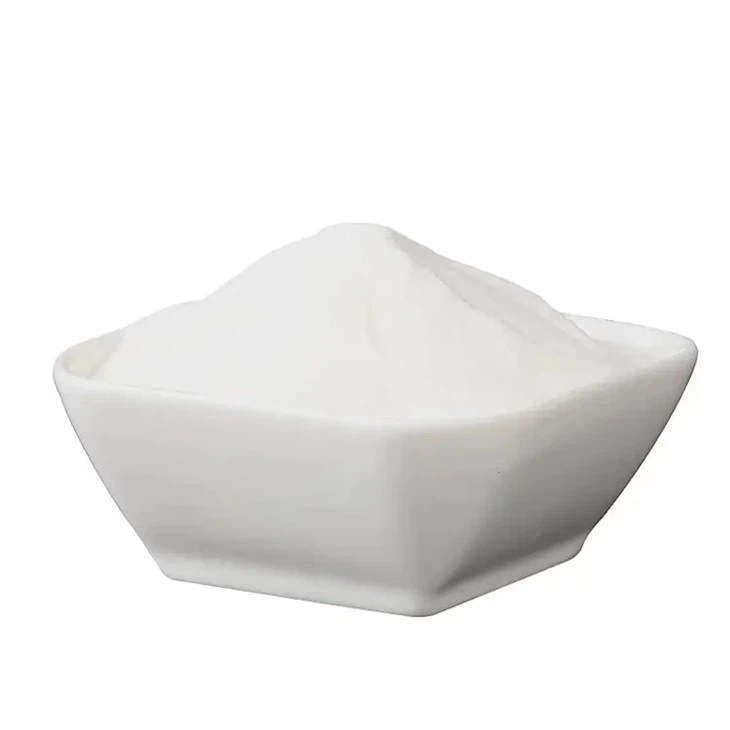
First off, let's talk a bit about sodium acetate itself. It's a white, hygroscopic crystalline powder or granules. It's soluble in water and alcohol, and it has a slight acetic acid odor. The chemical formula is C₂H₃NaO₂, and it's the sodium salt of acetic acid.
Reaction Conditions in Different Reactions
Esterification Reactions
One of the common reactions involving sodium acetate is esterification. In esterification, sodium acetate can react with an alcohol in the presence of an acid catalyst to form an ester. For example, when reacting with ethanol, you can get ethyl acetate.
The reaction conditions for this process are crucial. Usually, you need an acidic environment. A common acid catalyst used is sulfuric acid. The temperature is also an important factor. Generally, the reaction is carried out under reflux conditions, which means heating the reaction mixture to its boiling point and then condensing the vapors back into the reaction flask. This allows the reaction to proceed for a longer time and increases the yield of the ester. The reaction temperature is typically around 70 - 80°C. The reaction time can vary depending on the scale of the reaction and the purity of the reactants, but it usually takes a few hours.
Decarboxylation Reactions
Sodium acetate can also undergo decarboxylation reactions. When heated with soda - lime (a mixture of sodium hydroxide and calcium oxide), it loses a carbon dioxide molecule and forms methane.
The reaction conditions for decarboxylation are quite different from esterification. You need a high temperature, usually above 300°C. The reaction is carried out in a dry environment because moisture can interfere with the reaction. Soda - lime is used in excess to ensure complete reaction. The reaction is usually carried out in a sealed tube or a reaction vessel that can withstand high temperatures and pressures.
Buffer Solution Reactions
Sodium acetate is often used to make buffer solutions. A buffer solution is a solution that resists changes in pH when small amounts of acid or base are added. When combined with acetic acid, it forms an acetate buffer.
The reaction conditions for preparing a buffer solution are relatively mild. You just need to dissolve the appropriate amounts of sodium acetate and acetic acid in water. The pH of the buffer solution depends on the ratio of the concentrations of sodium acetate and acetic acid. According to the Henderson - Hasselbalch equation, pH = pKa+log([A⁻]/[HA]), where [A⁻] is the concentration of the conjugate base (sodium acetate) and [HA] is the concentration of the acid (acetic acid). The pKa of acetic acid is around 4.76. So, by adjusting the ratio of sodium acetate to acetic acid, you can prepare buffer solutions with different pH values in the range of about 4 - 6.
Influence of Reaction Conditions on Yield and Purity
The reaction conditions directly affect the yield and purity of the products. In esterification, if the temperature is too low, the reaction rate will be slow, and the yield of the ester will be low. If the temperature is too high, side reactions may occur, such as the dehydration of the alcohol, which can reduce the purity of the product.

In decarboxylation reactions, if the temperature is not high enough, the reaction may not proceed completely, resulting in a low yield of methane. And if there is moisture in the reaction system, it can react with the reactants and reduce the purity of the product.
Comparison with Other Related Chemicals
It's interesting to compare CAS 127 - 08 - 2 with other related chemicals. For example, Benzoguanamine CAS 91 - 76 - 9 is used in the production of plastics and coatings. Its reaction conditions are quite different from those of sodium acetate. Benzoguanamine usually reacts under more complex conditions, often involving high - pressure and high - temperature reactions in the presence of specific catalysts.
Another chemical is Diethyl Phthalate DEP CAS 84 - 66 - 2, which is an important plasticizer. The reaction conditions for synthesizing DEP also involve esterification, but the reactants and the reaction environment are different from those of the reactions involving sodium acetate.
DMAC CAS 127 - 19 - 5 is a polar aprotic solvent. It can participate in various reactions, such as nucleophilic substitution reactions. The reaction conditions for these reactions are also distinct from those of sodium acetate reactions.
Factors Affecting Reaction Conditions
Reactant Purity
The purity of sodium acetate and other reactants can significantly affect the reaction conditions. If the sodium acetate contains impurities, it may react with the impurities during the reaction, leading to side reactions and affecting the yield and purity of the product. For example, if there are metal ions in the sodium acetate, they may act as catalysts for unwanted side reactions.
Solvent Effects
The choice of solvent can also influence the reaction conditions. In some reactions, a polar solvent may be preferred because it can dissolve the reactants better and facilitate the reaction. In other cases, a non - polar solvent may be used to control the reaction rate or to prevent side reactions. For example, in some esterification reactions, a non - polar solvent like toluene can be used to remove the water produced during the reaction, which helps to drive the reaction forward according to Le Chatelier's principle.
Conclusion
In conclusion, the reaction conditions for reactions involving CAS 127 - 08 - 2 (sodium acetate) vary depending on the type of reaction. Whether it's esterification, decarboxylation, or buffer solution preparation, factors such as temperature, pH, catalysts, and reaction time all play important roles. Understanding these reaction conditions is essential for achieving high - yield and high - purity products.
If you're interested in purchasing high - quality CAS 127 - 08 - 2 for your chemical reactions, feel free to contact us for more information and to start a procurement negotiation. We're here to provide you with the best products and support for your chemical needs.
References
- Atkins, P., & de Paula, J. (2006). Physical Chemistry. Oxford University Press.
- McMurry, J. (2008). Organic Chemistry. Brooks/Cole Cengage Learning.


