

Hey there! As a supplier of 1,4 - Butanediol, I often get asked about its chemical structure. So, let's dive right into it and break down what makes 1,4 - Butanediol tick.
First off, the chemical formula of 1,4 - Butanediol is C₄H₁₀O₂. This simple formula might not tell you much at first glance, but it's the key to understanding its structure. The "C₄" indicates that there are four carbon atoms in the molecule. These carbon atoms form the backbone of the compound, kind of like the frame of a house.
The "H₁₀" means there are ten hydrogen atoms. Hydrogen atoms are like the little building blocks that attach to the carbon atoms. They fill in the empty spots around the carbon atoms, following the rules of chemical bonding. Each carbon atom can form four bonds, and hydrogen atoms form one bond each. So, they fit together to make the molecule stable.
Now, the "O₂" represents two oxygen atoms. In 1,4 - Butanediol, these oxygen atoms are in the form of hydroxyl groups (-OH). The "1,4" in the name tells us where these hydroxyl groups are located on the carbon chain. The first hydroxyl group is attached to the first carbon atom in the chain, and the second hydroxyl group is attached to the fourth carbon atom.
Let's picture it in a more visual way. Imagine a chain of four carbon atoms linked together in a row. At one end, the first carbon atom has a hydroxyl group (-OH) attached to it. Then, as you move along the chain, the remaining carbon atoms are bonded to hydrogen atoms. When you reach the fourth carbon atom in the chain, there's another hydroxyl group (-OH) attached.
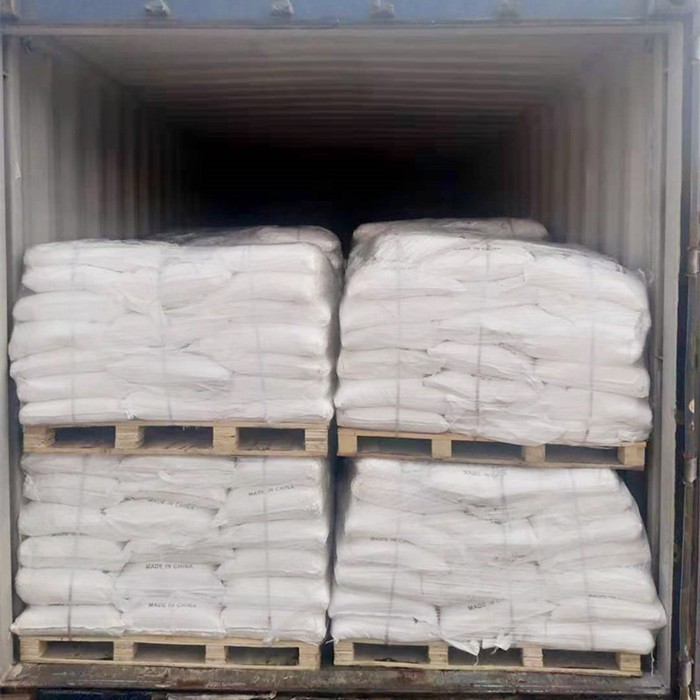
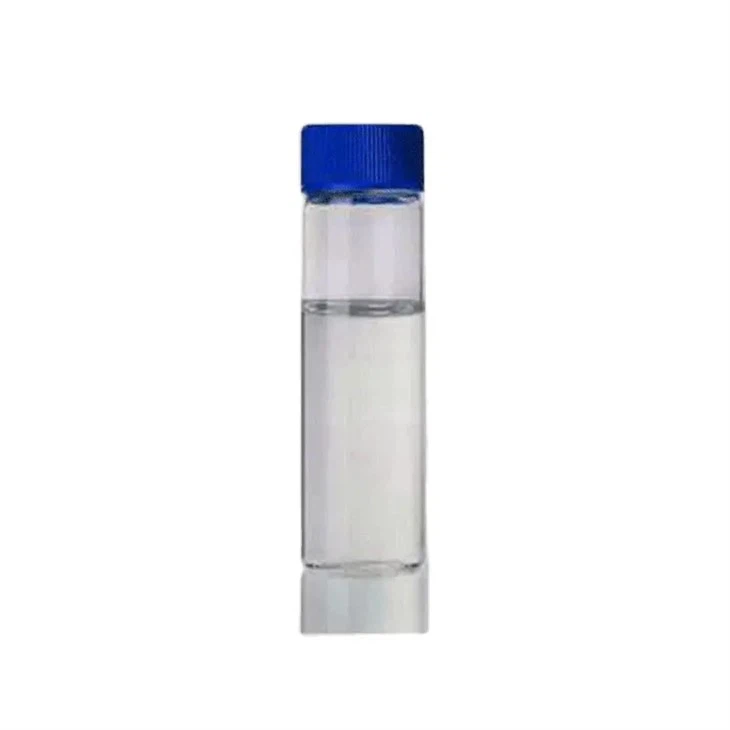
This structure gives 1,4 - Butanediol some interesting properties. The hydroxyl groups are polar, which means they have a partial positive and partial negative charge. This polarity makes 1,4 - Butanediol soluble in water to some extent. Water molecules are also polar, and the polar hydroxyl groups in 1,4 - Butanediol can interact with the water molecules through hydrogen bonding.
Another important aspect of the structure is its flexibility. The carbon - carbon single bonds in the chain can rotate freely. This allows the molecule to change its shape a bit, which can be useful in different chemical reactions and applications.
1,4 - Butanediol is used in a wide range of industries. In the plastics industry, it's a key ingredient in making polyurethanes. Polyurethanes are used in everything from foam cushions to coatings and adhesives. The hydroxyl groups in 1,4 - Butanediol can react with isocyanates to form the polymer chains that make up polyurethanes.
It's also used in the production of solvents. The solubility and low toxicity of 1,4 - Butanediol make it a good choice for certain solvent applications. For example, it can be used to dissolve other chemicals in the manufacturing of pharmaceuticals or personal care products.
Now, let's talk a bit about related chemicals. If you're into the chemical world, you might also be interested in Ammonium Acetate CAS 631 - 61 - 8. Ammonium acetate is a salt that has its own unique chemical structure and properties. It's often used in buffer solutions in the laboratory.
Another interesting compound is P - Toluenesulfonamide PTSA CAS 70 - 55 - 3. PTSA is used in the production of dyes, resins, and other organic compounds. Its structure includes a toluene ring with a sulfonamide group attached, which gives it specific chemical reactivity.
And then there's Active Diluent Neopentyl Glycol Diglycidyl Ether CAS 17557 - 23 - 2. This compound is used as an active diluent in epoxy resin systems. Its structure has two glycidyl ether groups, which can react with the epoxy resin to modify its properties.
As a supplier of 1,4 - Butanediol, I know how important it is to have a good understanding of the product. Whether you're a researcher looking to use it in a new experiment or a manufacturer in need of a reliable source for your production, I've got you covered.
If you're interested in purchasing 1,4 - Butanediol or want to learn more about it, feel free to reach out. We can have a chat about your specific needs, and I can provide you with all the information you need to make an informed decision. Whether it's about the quality, quantity, or pricing, I'm here to help. So, don't hesitate to get in touch and start a conversation about how 1,4 - Butanediol can fit into your projects.
References:
- "Organic Chemistry" by Paula Y. Bruice
- Chemical industry journals and research papers on 1,4 - Butanediol and related compounds


