

Hey there! As a succinic acid supplier, I get asked a lot about what products form when succinic acid reacts with bases. So, let's dive right into it and explore this interesting chemical reaction.
What is Succinic Acid?
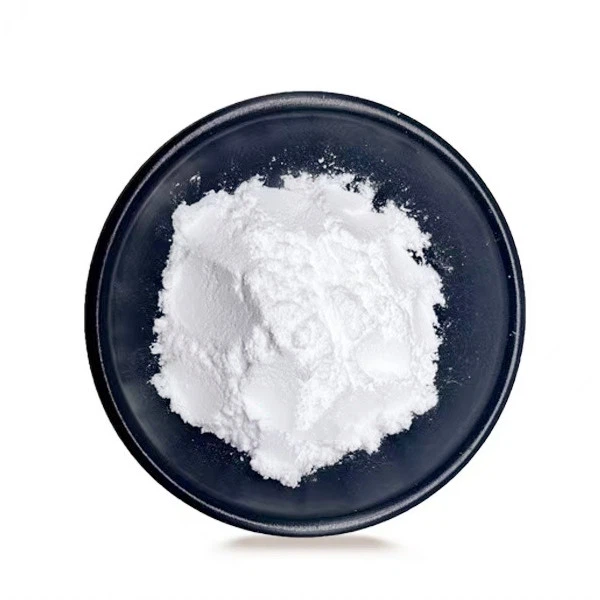
First off, succinic acid is a dicarboxylic acid with the chemical formula C₄H₆O₄. It's a white, odorless, crystalline solid that occurs naturally in plants and animals. You can find it in amber, fungi, lichens, and even in our own bodies as an intermediate in the citric acid cycle. In the industry, it's used in various applications, like making plastics, dyes, and as a food additive.
The Reaction with Bases
When succinic acid reacts with bases, it undergoes a neutralization reaction. Just like any acid - base reaction, the hydrogen ions (H⁺) from the acid react with the hydroxide ions (OH⁻) from the base to form water (H₂O). The remaining parts combine to form salts.
Reaction with Strong Bases
Let's start with strong bases, like sodium hydroxide (NaOH) or potassium hydroxide (KOH). When succinic acid reacts with sodium hydroxide, for example, the reaction can happen in two steps because succinic acid has two carboxyl groups (-COOH).
Step 1:
The first hydrogen from one of the carboxyl groups reacts with the hydroxide ion.
C₄H₆O₄ + NaOH → C₄H₅O₄Na + H₂O
Here, the product is sodium hydrogen succinate, a salt where one of the hydrogens from succinic acid is replaced by a sodium ion.
Step 2:
If more sodium hydroxide is added, the second hydrogen from the other carboxyl group also reacts.
C₄H₅O₄Na + NaOH → C₄H₄O₄Na₂ + H₂O
This time, the product is disodium succinate, where both hydrogens from succinic acid are replaced by sodium ions.
The same principle applies when reacting with potassium hydroxide. You'd get potassium hydrogen succinate and dipotassium succinate respectively.
Reaction with Weak Bases
Now, let's look at weak bases, such as ammonia (NH₃). When succinic acid reacts with ammonia, it forms ammonium salts. Similar to the reaction with strong bases, it can happen in two steps.
Step 1:
C₄H₆O₄ + NH₃ → C₄H₅O₄NH₄ + H₂O
The product is ammonium hydrogen succinate.
Step 2:
C₄H₅O₄NH₄ + NH₃ → C₄H₄O₄(NH₄)₂ + H₂O
And this results in diammonium succinate.
Applications of the Products
The salts formed from the reaction of succinic acid with bases have various applications.
- Food Industry: Sodium and potassium succinates can be used as food additives. They can act as acidity regulators, flavor enhancers, and preservatives. For example, in some processed meats and cheese products, they help maintain the right pH and improve the taste.
- Pharmaceutical Industry: Some succinate salts are used in drug formulations. For instance, they can improve the solubility and stability of certain drugs.
- Agriculture: Ammonium succinates can be used as fertilizers. They provide both nitrogen (from the ammonium ion) and other nutrients, which can help promote plant growth.
Related Products in Your Chemical Toolbox
Apart from succinic acid and its reaction products, there are other interesting organic chemicals that might catch your eye. For example, N,N'-Methylenebisacrylamide N,N'-Methylenediacrylamide MBA CAS 110 - 26 - 9. It's widely used in the production of polymers and gels. Then there's Antioxidant 1076/Irganox 1076 CAS 2082 - 79 - 3, which helps prevent oxidation and extends the shelf - life of many products. And let's not forget Active Diluent Butyl Glycidyl Ether BGE CAS 2426 - 08 - 6, which is used in the formulation of coatings and adhesives.
Why Choose Our Succinic Acid?
As a supplier, we take pride in offering high - quality succinic acid. Our product is produced under strict quality control measures, ensuring its purity and consistency. Whether you're in the food, pharmaceutical, or chemical manufacturing industry, our succinic acid can meet your needs. And if you're interested in the salts formed from its reaction with bases, we can also provide technical support to help you with your applications.
Let's Connect and Do Business
If you're thinking about using succinic acid in your business, whether it's for research, production, or other applications, I'd love to hear from you. Reach out to us to discuss your requirements. We can offer you a great deal and the best customer service. Don't hesitate to start this profitable business partnership with us.
References
- Petrucci, R. H., Herring, F. G., Madura, J. D., & Bissonnette, C. (2017). General Chemistry: Principles and Modern Applications. Pearson.
- March, J., & Smith, M. B. (2007). March's Advanced Organic Chemistry: Reactions, Mechanisms, and Structure. Wiley.


