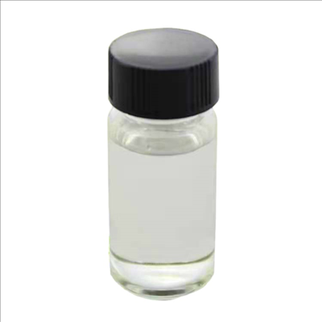
Oleamide CAS 301-02-0 is a fatty acid amide that has attracted attention from various industries due to its unique properties and potential applications. As a compound derived from oleic acid, oleamide is primarily recognized for its role as a surfactant, lubricant, and stabilizer in numerous formulations.
Oleamide is a white solid that is soluble in organic solvents. It is commonly used in the production of plastics, cosmetics, and personal care products. Its surfactant properties make it an effective emulsifier, helping to mix oil-based and water-based ingredients. In addition, oleamide is used in lubricant formulations to enhance product performance and stability.
The safety of oleamide in humans has been the subject of research and regulatory scrutiny. Multiple studies have shown that oleamide is generally considered to have low toxicity. It is not listed as a carcinogen, and there is limited evidence that oleamide poses a serious health risk when used appropriately in formulations. However, like many chemicals, oleamide may cause irritation if it comes in direct contact with the skin or eyes. Therefore, it is important to follow safety guidelines and use protective equipment when handling oleamide in an industrial setting.
The applications of Oleamide:
1. Cosmetics and Personal Care: Oleamide is commonly used in lotions, creams and hair care products due to its emulsifying properties. It helps stabilize the formula and improve the product texture.
2. Plastics and polymers: In the plastics industry, oleamide is used as a lubricant and processing aid. It can enhance the fluidity of polymers during the production process, making the surface smoother and the performance better.
3. Lubricant: Oleic acid amide is used in various lubricant formulations as a friction modifier to reduce the wear of mechanical parts.
4. Pharmaceuticals: Oleamide has been explored for its potential therapeutic effects, including its role as a sleep aid and its effects on the endocannabinoid system.
Our Advantages of Oleamide
1. Sufficient Inventory: Oleamide suppliers typically maintain sufficient inventory to ensure that manufacturers can obtain the product when they need it. This inventory is critical for companies that rely on a stable supply chain.
2. Express delivery: Many suppliers offer express delivery services, which allows companies to receive orders quickly. This service is especially suitable for companies that need urgent production of oleamide.
3. Flexible payment options: Suppliers often offer a variety of payment options to meet the financial preferences of different businesses. This flexibility can simplify the procurement process and promote long-term supplier relationships.
4. Compliance: Oleamide suppliers are generally well-versed in regulatory requirements, ensuring their products meet safety standards. This compliance is critical for companies looking to maintain consumer trust and comply with industry regulations.
5. R&D support: Many oleamide suppliers also provide technical support and R&D resources. This assistance can help companies innovate and improve formulations.