


Products Description
Product Name: Magnesium acetate
CAS: 142-72-3
EINECS: 205-554-9
Melting point: 72-75 °C
Density: 1.5000 g/cm3
Refractive index: n20/D 1.358
Specification
| Items | Specifications |
| Appearance | White crystalline powder |
| Purity | ≥99% |
| Water | ≤0.1% |
Application
1. Magnesium acetate CAS 142-72-3 is primarily used as a catalyst, cross-linking agent, and buffering agent in the production of polymers, textiles, and pharmaceuticals.
2. Magnesium acetate serves as a de-icer and dust suppressant, considered less corrosive than traditional chloride salts.
3. This compound is also utilized in biochemical research, as a dietary supplement, and in the manufacturing of dyes and pigments.
Storage and Precautions
1. Store magnesium acetate CAS 142-72-3 in a cool, dry, well-ventilated place, in a tightly closed container to prevent moisture absorption.
2. Keep Magnesium acetate separate from strong oxidizing agents and strong acids.
3. Handle with appropriate personal protective equipment (PPE), including gloves and safety goggles, to avoid dust inhalation and skin contact.
Emergency response to leakage
1. Isolate the spill area and wear suitable protective equipment (gloves, safety glasses, dust mask).
2. Collect Magnesium acetate with a clean, dry tool and place it in a suitable container for disposal.
3. Prevent the material from entering drains or the environment. Clean the area with water and detergent.
Safety Information
1. Magnesium acetate CAS 142-72-3 is generally considered low in toxicity but may cause mild skin or eye irritation upon contact.
2. Magnesium acetate is not flammable but may decompose at high temperatures to produce irritating or toxic fumes (acetic acid, magnesium oxide).
3. Always consult the official magnesium acetate Safety Data Sheet (SDS) for comprehensive hazard, handling, and regulatory information.
Recommended Products
| Items | Product Name |
| 1 | Anthraquinone CAS 84-65-1 |
| 2 | Xylitol CAS 87-99-0 |
| 3 | Lauric Acid CAS 143-07-7 |
| 4 | 1-Naphthol-4-sulfonic Acid CAS 84-87-7 |
| 5 | 5-Sulfosalicylic Acid Dihydrate CAS 5965-83-3 |
| 6 | Phthalic Acid CAS 88-99-3 |
| 7 | Tert-Butyl cyanoacetate CAS 1116-98-9 |
| 8 | 4-Fluoromandelic Acid CAS 395-33-5 |
| 9 | Glyoxylic Acid Monohydrate CAS 563-96-2 |
| 10 | If you want to need more information,welcome to contact us at any time.
WhatsApp: +86 18317156592
|
Packaging
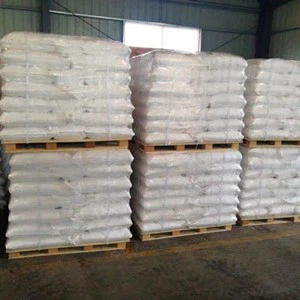
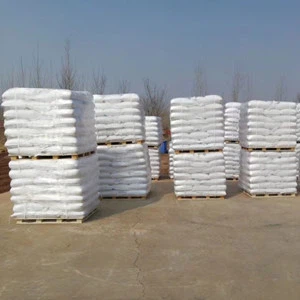
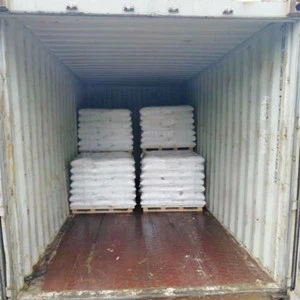
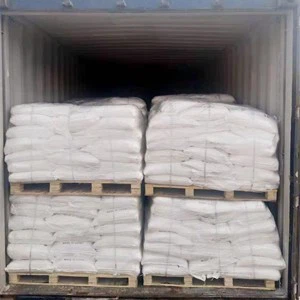
Transportation & Payment

About Transportation
Depending on the requirements of our clients, we can give a variety of transportation options.
For smaller orders, we offer air shipping or international courier services like FedEx, DHL, TNT, EMS, and numerous other unique lines of international transit.
We can transport by sea to a specified port for bigger amounts.
Additionally, we can offer unique services based on the requirements of our clients and the characteristics of their goods.

* We can offer a range of payment options to our clients.
* When the sum is modest, clients typically pay with PayPal, Western Union, Alibaba, and other similar services.
* When the sum is significant, clients typically pay with T/T, L/C at sight, Alibaba, and so on.
* Furthermore, an increasing number of consumers will use Alipay or WeChat Pay to make payments.
FAQ
1
May I get any sample from you?
Re: Yes, of course, we'd like to provide sample to you according to your demands.
2
What is your MOQ?
Re: Usually our MOQ is 1 kg, but sometimes it is also flexible and depends on different products.
3
How long I can get my goods after payment?
Re: If shipped by couriers or air, it usually cost 5-10 days.
If shipped by sea, it usually cost 3-40 days, which depends on your destination.
4
Do you have any after-sales service?
Re: Yes, we will inform you progress of the order, such as product preparation, declaration, transportation follow-up, customs clearance assistance, technical guidance, etc.
Contact Us
Hot Tags: magnesium acetate cas 142-72-3, China magnesium acetate cas 142-72-3 manufacturers, suppliers, factory, 3 Methoxy 3 Methyl 1 butanol CAS 56539 66 3, organic chemical chromatographic separation, 3-Methoxy-3-Methyl-1-butanol, organic chemical halogenation, high reactivity organic chemicals, organic chemical membrane separation


