

DEET, short for N,N - diethyl - m - toluamide, is one of the most widely used and effective active ingredients in insect repellents. As a DEET supplier, I often get questions from customers about the amount of DEET in typical insect repellents. In this blog, I'll delve into this topic, exploring the factors that determine DEET concentration, the typical ranges, and the implications for consumers.
Factors Influencing DEET Concentration in Insect Repellents
1. Target Insects
Different insects may require different levels of DEET for effective repellence. For example, mosquitoes, ticks, and biting flies vary in their sensitivity to DEET. Mosquitoes are a common target for many insect repellents. Some species of mosquitoes can be repelled with relatively low concentrations of DEET, while others, especially those that carry diseases like malaria, dengue, and Zika, may require higher concentrations for better protection. Ticks, on the other hand, often need a more potent repellent, and thus, products designed to repel ticks usually have a higher DEET content.
2. Duration of Protection
The length of time you need protection also plays a crucial role in determining the DEET concentration. If you're going on a short - term outdoor activity, such as a quick walk in the park, a lower - concentration DEET product may be sufficient. These products typically offer protection for 1 - 2 hours. However, for longer activities like camping or hiking that last several hours or even days, a higher - concentration DEET repellent is recommended as it can provide protection for up to 8 - 10 hours or more.
3. Age and Skin Sensitivity
Age and skin sensitivity are important considerations. Children and infants have more delicate skin, and their bodies may be more sensitive to chemicals. For this reason, insect repellents for children often have lower DEET concentrations, usually no more than 10%. Adults with sensitive skin may also prefer lower - concentration products to minimize the risk of skin irritation.
Typical DEET Concentrations in Insect Repellents
1. Low - Concentration Repellents (5% - 10%)
Low - concentration DEET repellents are commonly used for short - term protection and for individuals with sensitive skin, including children. These products are suitable for activities like a short stroll around the neighborhood or a brief picnic in the backyard. They can provide protection against mosquitoes for about 1 - 2 hours. Many of these low - concentration repellents come in the form of sprays, lotions, or wipes, making them convenient to use.
2. Medium - Concentration Repellents (15% - 25%)
Medium - concentration DEET repellents strike a balance between protection and safety. They offer protection for a longer period, typically 3 - 6 hours, and are suitable for a wide range of outdoor activities, such as gardening, fishing, or a day - long hike. These products are widely available in the market and are a popular choice for many consumers.
3. High - Concentration Repellents (30% - 100%)
High - concentration DEET repellents are designed for situations where maximum protection is needed, such as in areas with a high prevalence of disease - carrying insects or for extended outdoor activities. Products with 30% - 50% DEET can provide protection for 6 - 8 hours, while those with 70% - 100% DEET can offer protection for up to 10 - 12 hours. However, these high - concentration products are usually not recommended for children and should be used with caution on adults, especially those with sensitive skin.
Safety Considerations
While DEET is generally considered safe when used as directed, it's important to follow some safety guidelines. When using high - concentration DEET products, avoid applying them to broken or irritated skin. Also, do not apply DEET under clothing or near the eyes, mouth, or hands. For children, use products with lower DEET concentrations and avoid applying the repellent to their hands to prevent accidental ingestion.
It's also worth noting that DEET can interact with some plastics, synthetic fabrics, and painted surfaces. So, be careful when using DEET around these materials to avoid damage.

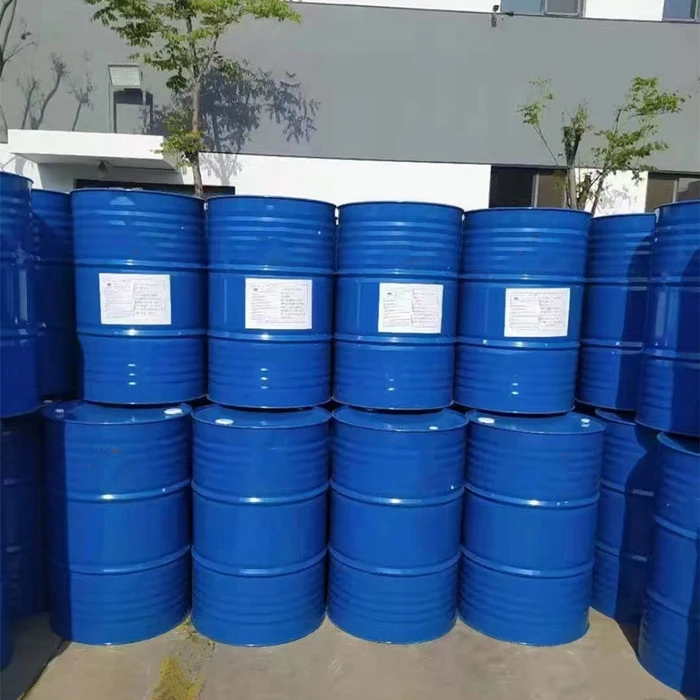
Our DEET Products and Related Chemicals
As a DEET supplier, we offer a wide range of DEET products with different concentrations to meet the diverse needs of our customers. In addition to DEET, we also supply other related chemicals. For example, Dipropylene Glycol Dimethyl Ether/Dimethoxy Dipropyleneglycol CAS 111109 - 77 - 4 is a useful solvent that can be used in the formulation of insect repellents. It helps to dissolve DEET and other ingredients, ensuring a homogeneous product.
Another chemical we offer is Glycidyl Methacrylate GMA CAS 106 - 91 - 2. This chemical can be used in the production of polymers that may be incorporated into the packaging of insect repellents or as an additive to enhance the performance of the repellent formulation.
We also provide 4,4'-(4,4'-isopropylidenediphenoxy)bis-(phthalic Anhydride) BPADA Powder 38103 - 06 - 9, which has various industrial applications and may also be relevant in the context of insect repellent production, for example, in the development of new formulation technologies.
Contact Us for Procurement
If you're interested in purchasing DEET or any of our other related chemicals, we'd love to hear from you. Our team of experts can provide you with detailed product information, help you choose the right products for your needs, and assist you with the procurement process. Whether you're a small - scale distributor or a large - scale manufacturer, we have the capacity to meet your requirements. Reach out to us to start a productive business relationship.
References
- Centers for Disease Control and Prevention (CDC). "Insect Repellent Use and Safety."
- World Health Organization (WHO). "Guidelines for the Use of Insecticides to Prevent Human Disease."
- Environmental Protection Agency (EPA). "DEET: General Information."


