

Ammonium acetate is a versatile chemical compound commonly used in various industries, including pharmaceuticals, food processing, and analytical chemistry. As a supplier of ammonium acetate, I understand the importance of ensuring its safe handling and disposal. In this blog post, I will share some essential guidelines on how to dispose of ammonium acetate safely to protect the environment and human health.
Understanding Ammonium Acetate
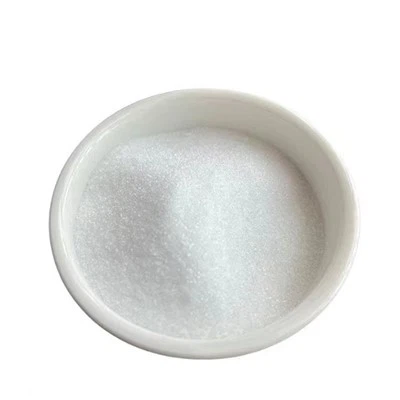
Before discussing its disposal, it's crucial to understand the properties of ammonium acetate. Ammonium acetate (CH₃COONH₄) is a white crystalline solid with a slightly acetic odor. It is highly soluble in water and forms a slightly acidic solution. Ammonium acetate is often used as a buffer in biochemical and analytical applications, as a mordant in dyeing, and as a food additive.
Regulatory Requirements
The disposal of ammonium acetate is subject to various local, national, and international regulations. These regulations are designed to prevent environmental pollution and protect human health. Before disposing of ammonium acetate, it's essential to familiarize yourself with the relevant regulations in your area.
In general, ammonium acetate is considered a hazardous substance when released into the environment in large quantities. It can cause eutrophication in water bodies, leading to the growth of harmful algae and the depletion of oxygen. Therefore, it's important to follow proper disposal procedures to minimize its environmental impact.
Safe Disposal Methods
1. Dilution and Neutralization
One of the most common methods of disposing of ammonium acetate is through dilution and neutralization. This method involves diluting the ammonium acetate solution with a large volume of water and then neutralizing it with an appropriate base or acid to bring the pH to a neutral range (around 7).
- Dilution: Slowly add the ammonium acetate solution to a large volume of water in a well-ventilated area. Stir the mixture gently to ensure uniform dilution. The dilution ratio should be at least 1:100 (one part ammonium acetate solution to 100 parts water).
- Neutralization: Once the solution is diluted, test the pH using a pH meter or pH paper. If the solution is acidic, add a small amount of a base such as sodium hydroxide (NaOH) or potassium hydroxide (KOH) to raise the pH to neutral. If the solution is basic, add a small amount of an acid such as hydrochloric acid (HCl) or sulfuric acid (H₂SO₄) to lower the pH.
After neutralization, the diluted and neutralized solution can be safely discharged into the sewer system, provided that it meets the local wastewater discharge standards.
2. Incineration
In some cases, incineration may be an appropriate method of disposing of ammonium acetate. Incineration involves burning the ammonium acetate at high temperatures to convert it into harmless gases such as carbon dioxide (CO₂), water vapor (H₂O), and nitrogen gas (N₂).
However, incineration should only be carried out in a properly designed and operated incinerator that meets the relevant environmental regulations. It's important to ensure that the incinerator is equipped with appropriate pollution control devices to prevent the release of harmful pollutants into the atmosphere.
3. Recycling and Reuse
Another option for disposing of ammonium acetate is through recycling and reuse. If the ammonium acetate solution is still in good condition and can be used again, it can be recycled by separating it from other contaminants and purifying it using appropriate techniques such as distillation or crystallization.
Recycling and reuse not only reduce the environmental impact of ammonium acetate disposal but also save resources and costs. Therefore, it's always a good idea to explore the possibility of recycling and reuse before considering other disposal methods.
Handling and Storage Precautions
In addition to following proper disposal procedures, it's also important to take appropriate handling and storage precautions to prevent accidents and spills. Here are some general guidelines:
- Use personal protective equipment (PPE): When handling ammonium acetate, wear appropriate PPE such as gloves, goggles, and a lab coat to protect your skin, eyes, and clothing from contact with the chemical.
- Store in a cool, dry place: Ammonium acetate should be stored in a cool, dry place away from heat, moisture, and incompatible substances. It should be kept in a tightly sealed container to prevent evaporation and contamination.
- Avoid mixing with incompatible substances: Ammonium acetate is incompatible with strong acids, strong bases, and oxidizing agents. Therefore, it should not be mixed with these substances to prevent chemical reactions and the release of harmful gases.
Conclusion
As a supplier of ammonium acetate, I am committed to promoting the safe handling and disposal of this chemical compound. By following the guidelines outlined in this blog post, you can ensure that ammonium acetate is disposed of safely and in compliance with the relevant regulations.
If you have any questions or need further information on the safe disposal of ammonium acetate, please feel free to contact us. We are always happy to assist you.
In addition to ammonium acetate, we also supply a wide range of other organic chemicals, including P-Toluenesulfonamide PTSA CAS 70-55-3, Propylene Glycol Monoethyl Ether / 1-Ethoxy-2-propanol CAS 1569-02-4, and N-Vinyl-2-pyrrolidone/1-Vinyl-2-pyrrolidinone/NVP CAS 88-12-0. If you are interested in purchasing these chemicals, please contact us for more information.
References
- Environmental Protection Agency (EPA). Hazardous Waste Management Regulations.
- Occupational Safety and Health Administration (OSHA). Chemical Safety Guidelines.
- International Maritime Organization (IMO). Guidelines for the Safe Transport of Hazardous Chemicals.


