




Products Description
Product Name: Lauryl glucoside
CAS: 110615-47-9
EINECS: 600-975-8
Boiling point: 301℃
Density: 1.16 g/cm3
Specification
| Items | Specifications |
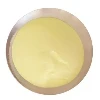
| Appearance | Light yellow powder |
| Purity | ≥98% |
| Water | ≤0.5% |
Application
1. Lauryl glucoside CAS 110615-47-9 is a non-ionic alkyl polyglucoside surfactant derived from natural raw materials (coconut oil and glucose), primarily used as a mild cleansing agent, emulsifier, and foam booster in personal care products such as shampoos, body washes, facial cleansers, and baby care formulations .
2. Lauryl glucoside serves as an effective wetting agent and degreaser in industrial and household cleaning applications, including dishwashing liquids, laundry detergents, and hard surface cleaners, where it provides good foaming properties and is readily biodegradable .
3. Lauryl glucoside is employed as a co-surfactant to reduce the irritation potential of anionic surfactants and to improve the mildness of cosmetic formulations, making Lauryl glucoside suitable for sensitive skin products .
4. In agrochemical formulations, lauryl glucoside is used as an emulsifier and wetting agent to improve the spreading and penetration of pesticides and herbicides on plant surfaces .
Storage and Precautions
1. Lauryl glucoside must be stored in a tightly sealed container in a cool, dry, and well-ventilated environment, protected from extreme temperatures and direct sunlight; recommended storage temperature is between 5°C and 40°C .
2. Lauryl glucoside is classified with GHS hazard statements H302 (Harmful if swallowed), H315 (Causes skin irritation), H319 (Causes serious eye irritation), and H411 (Toxic to aquatic life with long-lasting effects), with signal word "Warning" .
3. Personnel must wear chemical-resistant gloves, safety goggles with side-shields, and protective clothing when handling this substance, ensuring adequate ventilation in work areas .
4. Keep away from incompatible materials such as strong oxidizing agents and strong acids; prevent release to the environment as lauryl glucoside is toxic to aquatic life with long-lasting effects.
Emergency response to leakage
1. Isolate the spill area, ensure adequate ventilation, and wear full personal protective equipment including chemical-resistant gloves, safety goggles, and suitable respiratory protection when Lauryl glucoside is released .
2. For Lauryl glucoside liquid spills, contain and collect the product using inert absorbent materials such as sand, diatomite, or universal binders with non-sparking tools, and place into suitable closed containers for disposal .
3. Avoid creating vapors or mists during cleanup; prevent lauryl glucoside from entering drains, water courses, or the soil due to aquatic toxicity .
4. Dispose of collected material as hazardous waste according to local, state, and federal environmental regulations .
Fire prevention measures
1. Lauryl glucoside is not classified as highly flammable (flash point > 100°C) but may decompose under fire conditions, emitting toxic fumes including carbon monoxide, carbon dioxide, and irritating gases .
2. Use Lauryl glucoside water spray, dry chemical powder, carbon dioxide, or alcohol-resistant foam to extinguish fires involving the product .
3. Firefighters should wear self-contained breathing apparatus in pressure-demand, MSHA/NIOSH approved, and full protective gear when handling burning Lauryl glucoside due to hazardous decomposition gases generated by thermal decomposition .
4. During combustion, may emit irritant and toxic fumes; contain fire runoff to prevent environmental contamination .
Recommended best-selling products
| Items | Product Name |
| 1 | N-(2-Bromoethyl)phthalimide CAS 574-98-1 |
| 2 | N-(4-Methylphenyl)-3-oxobutanamide CAS 2415-85-2 |
| 3 | 5-Acetoacetlamino Benzimidazolone / AABI CAS 26576-46-5 |
| 4 | N-(4-Bromobutyl)phthalimide CAS 5394-18-3 |
| 5 | 1-Phenyloxindole CAS 3335-98-6 |
| 6 | Octenyl succinic anhydride CAS 26680-54-6 |
| 7 | Taxifolin CAS 480-18-2 |
| 8 | Apigenin CAS 520-36-5 |
| 9 | Chlorogenic Acid CAS 327-97-9 |
| 10 | If you want to need more information,welcome to contact us at any time.
WhatsApp: +86 18317156592
|
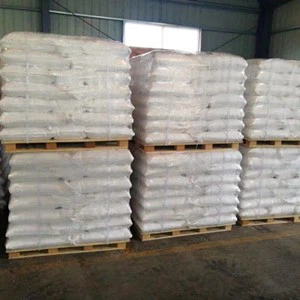
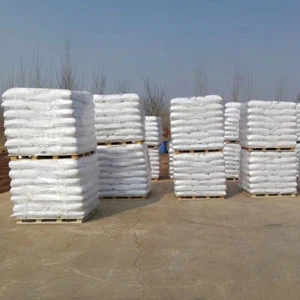
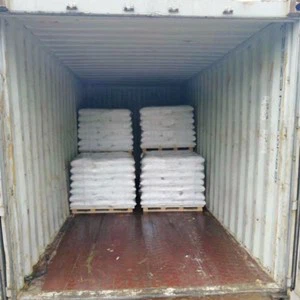
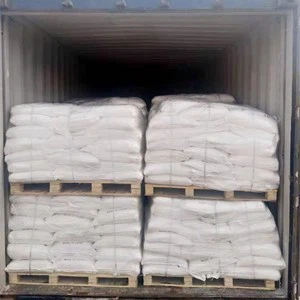
Packaging
Transportation & Payment

About Transportation
Depending on the requirements of our clients, we can give a variety of transportation options.
For smaller orders, we offer air shipping or international courier services like FedEx, DHL, TNT, EMS, and numerous other unique lines of international transit.
We can transport by sea to a specified port for bigger amounts.
Additionally, we can offer unique services based on the requirements of our clients and the characteristics of their goods.

* We can offer a range of payment options to our clients.
* When the sum is modest, clients typically pay with PayPal, Western Union, Alibaba, and other similar services.
* When the sum is significant, clients typically pay with T/T, L/C at sight, Alibaba, and so on.
* Furthermore, an increasing number of consumers will use Alipay or WeChat Pay to make payments.
FAQ
1
May I get any sample from you?
Re: Yes, of course, we'd like to provide sample to you according to your demands.
2
What is your MOQ?
Re: Usually our MOQ is 1 kg, but sometimes it is also flexible and depends on different products.
3
How long I can get my goods after payment?
Re: If shipped by couriers or air, it usually cost 5-10 days.
If shipped by sea, it usually cost 3-40 days, which depends on your destination.
4
Do you have any after-sales service?
Re: Yes, we will inform you progress of the order, such as product preparation, declaration, transportation follow-up, customs clearance assistance, technical guidance, etc.
Contact Us
Hot Tags: lauryl glucoside cas 110615-47-9, China lauryl glucoside cas 110615-47-9 manufacturers, suppliers, factory, miscellaneous stock varieties, different ware assortments, sundry offering collections, diverse products, various supply selections, other goods assortments


