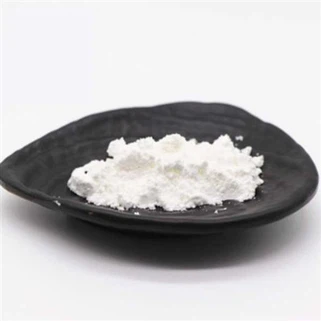
Products Description
Product Name: Diisobutylamine
CAS: 110-96-3
EINECS: 203-819-3
Melting point: -77 °C
Boiling point: 137-139 °C
Density: 0.74 g/mL
Refractive index: n20/D 1.4081
Specification
| Items | Specifications |
| Appearance | Colorless and transparent liquid |
| Purity | ≥98% |
| Water | ≤0.5% |
Application
1. Diisobutylamine CAS 110-96-3 is primarily used as an organic synthesis intermediate in the production of pharmaceuticals, agrochemicals (e.g., herbicides), surfactants, and rubber accelerators . It also acts as a corrosion inhibitor in industrial processes, such as in hydrocarbon streams containing residual ammonia or amines .
2. Diisobutylamine serves as a valuable reagent in scientific research, including the synthesis of complex heterocyclic compounds for medicinal chemistry, as a stabilizing agent in the production of nanomaterials (e.g., zinc oxide nanocrystals), and in the development of selective catalysts like palladium complexes .
3. Applications of Diisobutylamine also include its use in the preparation of functionalized materials (e.g., graphene oxide for metal ion adsorption) and as an antimicrobial agent to inhibit bacterial growth in specific settings .
Storage and Precautions
1. Store Diisobutylamine CAS 110-96-3 in a tightly sealed container under an inert gas (e.g., argon) in a cool, dry, and well-ventilated place, away from heat, sparks, and open flames. It is air-sensitive and recommended storage temperatures include ambient conditions or a cool, dry place .
2. Keep Diisobutylamine strictly away from strong oxidizing agents and acids due to incompatibility and the risk of violent reactions. Containers must be grounded/bonded to prevent electrostatic discharge .
3. Always use Diisobutylamine appropriate personal protective equipment (PPE) including chemical-resistant gloves, tightly fitting safety goggles with a faceshield, and protective clothing. Handle only with explosion-proof equipment in a fume hood, as it is flammable and corrosive .
Emergency response to leakage
1. Immediately isolate the spill area, eliminate all ignition sources, and provide adequate ventilation. Contain Diisobutylamine using dry, inert, non-combustible absorbent material (e.g., dry sand or universal binder) and prevent entry into drains or waterways .
2. Carefully collect Diisobutylamine using non-sparking, explosion-proof tools into sealed, labeled chemical waste containers for proper disposal according to local, state, and federal environmental regulations .
3. Personnel must wear full chemical-protective equipment including self-contained breathing apparatus (SCBA) during cleanup. Diisobutylamine is classified for transport and requires hazardous waste disposal .
Safety Information
1. Diisobutylamine CAS 110-96-3 is classified as a flammable liquid and vapor (H226, flash point 29-30°C) and is corrosive, causing severe skin burns and serious eye damage (H314/H318). It is toxic if swallowed (H301, LD50 oral rat: 258 mg/kg), in contact with skin (H311), and harmful if inhaled (H332) .
2. Diisobutylamine is slightly soluble in water (2.2 g/L at 25°C) . Its thermal decomposition or combustion produces toxic and corrosive fumes, including nitrogen oxides, carbon monoxide, and carbon dioxide . Vapors are heavier than air (vapor density 4.5) and may travel to distant ignition sources, causing flashback .
3. Always consult Diisobutylamine the specific Safety Data Sheet (SDS) for Diisobutylamine for complete hazard information, first-aid procedures, and handling instructions. Precautionary statements include P210 (keep away from heat/sparks/open flames), P260 (do not breathe vapors), and P280 (wear protective gloves/eye protection) .
Recommended Products
| Items | Product Name |
| 1 | Methacryloyl Chloride CAS 920-46-7 |
| 2 | Cyclopropylamine CAS 7143-01-3 |
| 3 | Methyltriphenylphosphonium Bromide CAS 1779-49-3 |
| 4 | Cyclopropyl Methyl Ketone CAS 765-43-5 |
| 5 | Methanesulfonamide CAS 3144-09-0 |
| 6 | Sulfolane CAS 126-33-0 |
| 7 | Cyclohexanecarboxylic Acid Chloride CAS 2719-27-9 |
| 8 | Allyl Methacrylate AMA CAS 96-05-9 |
| 9 | Cyclopentene CAS 142-29-0 |
| 10 | If you want to need more information,welcome to contact us at any time.
WhatsApp: +86 18317156592
|
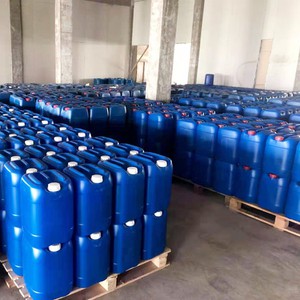
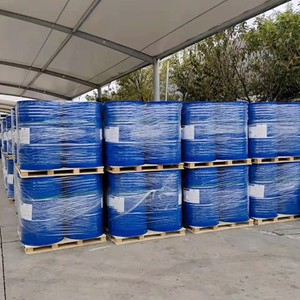
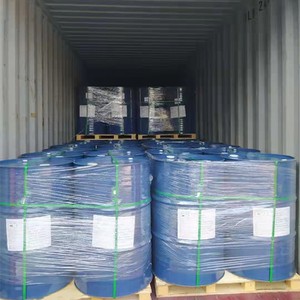
Packaging

Transportation & Payment

About Transportation
Depending on the requirements of our clients, we can give a variety of transportation options.
For smaller orders, we offer air shipping or international courier services like FedEx, DHL, TNT, EMS, and numerous other unique lines of international transit.
We can transport by sea to a specified port for bigger amounts.
Additionally, we can offer unique services based on the requirements of our clients and the characteristics of their goods.

* We can offer a range of payment options to our clients.
* When the sum is modest, clients typically pay with PayPal, Western Union, Alibaba, and other similar services.
* When the sum is significant, clients typically pay with T/T, L/C at sight, Alibaba, and so on.
* Furthermore, an increasing number of consumers will use Alipay or WeChat Pay to make payments.
FAQ
1
May I get any sample from you?
Re: Yes, of course, we'd like to provide sample to you according to your demands.
2
What is your MOQ?
Re: Usually our MOQ is 1 kg, but sometimes it is also flexible and depends on different products.
3
How long I can get my goods after payment?
Re: If shipped by couriers or air, it usually cost 5-10 days.
If shipped by sea, it usually cost 3-40 days, which depends on your destination.
4
Do you have any after-sales service?
Re: Yes, we will inform you progress of the order, such as product preparation, declaration, transportation follow-up, customs clearance assistance, technical guidance, etc.
Contact Us
Hot Tags: diisobutylamine cas 110-96-3, China diisobutylamine cas 110-96-3 manufacturers, suppliers, factory, CAS 288 88 0, CAS 108 59 8, CAS 24448 20 2, Trimethylolpropane Trioleate TMPTO CAS 57675 44 2, Tetrachloroethylene, organic chemical solid waste treatment chemical